No1 Preservation
No1 Preservation (formerly EJC Preservation) has many years experience in the identification and treatment of woodworm, dry rot, wet rot, rising damp & condensation problems. In the first instance we carry out a full technical survey in order to identify the nature of the problem and outline remedial work required.
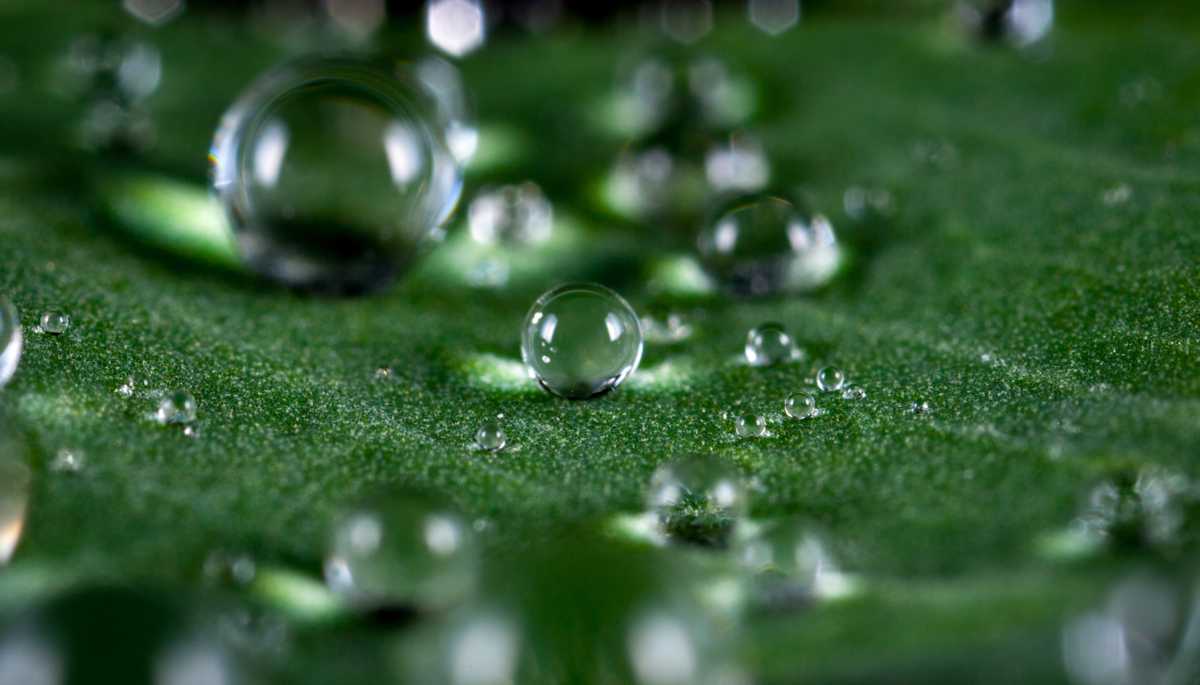
No1 Preservation can help with the treatment of woodworm, dry rot, wet rot, rising damp and condensation problems.

Woodworm
The Common Furniture Beetle (Anobium punctatum).This is a term that describes all types of insect, which damage timber. The Common Furniture Beetle (Anobium punctatum) is the most common type of woodworm causing damage to buildings in the UK. Its natural habitat is hedgerow and woodland timber and it has spread to attack structural and furniture […]

Wet Rot
Wet Rots are a group of fungi that destroy wood. They achieve optimum growth and decay rates when the wood has 45% to 60% moisture content. Coniophora puteana is the most common type of wet rot causing a brown rot of softwoods. Another common species is Fibroporia vaillantii, which also causes brown rot of softwoods. […]

Damp
Dampness in buildings can cause an increase in the moisture content of timber. In turn, fungal decay can then occur. Excessive dampness can causes other problems such as deteriorating brickwork, mold growth, electrical problems and condensation problems. There are many causes of dampness, roof defects, plumbing problems, faulty damp proofing.

Dry Rot
Dry Rot (Serpula lacrymans) is a particular type of wood destroying fungus, which has the ability to grow through damp masonry, brickwork and behind plaster. In addition it can cause timber to decay at a lowered moisture level than wet rot. Because of this its spread can be greater than that of wet rot and […]

Condensation
Have you ever noticed droplets of water forming on the inside of your windows? This liquid forming on your windows is called condensation, and it can appear on your windows in your living room, bathroom, kitchen and bedrooms. The reason why it happens is all to do with the temperature inside and outside the building […]

When No1 Preservation carries out timber treatment using a chemical, we recommend vacating the property for 24-48 hours but will advise on a case by case basis..
Full Floor and Joist Treatment:
Uplift sections of flooring to gain access to the joists and pressure spray to saturation all visible timbers with a timber treatment chemical.
Full Stair Treatment:
Bore 10 mm holes in each riser to gain access to underside of treads and pressure spray to top surface and underside a timber treatment chemical.
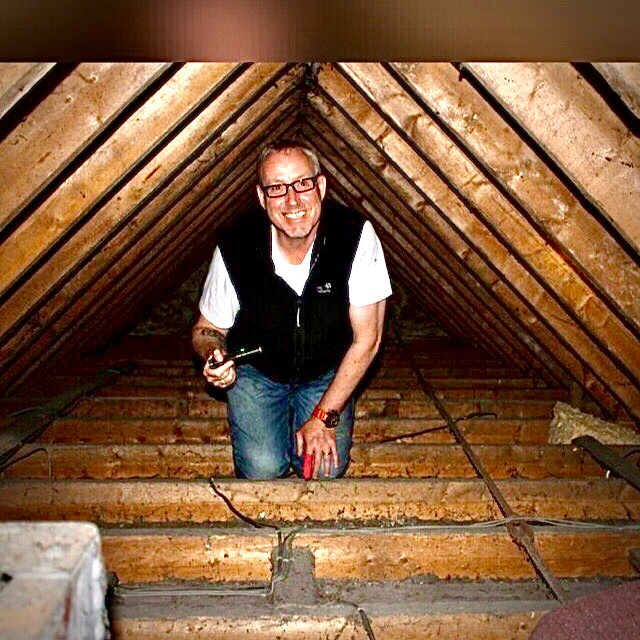
Full Roof Void Treatment:
Pressure spray to saturation all accessible timbers with a timber treatment chemicaI.
Prior to work commencing our operators will:-
Clean down all cobwebs, dust, etc from timbers.
Cover all water tanks and electrical junction boxes with polythene.
No1 Preservation is a Sovereign Approved Contractor.
The damp proof course is incorporated into a permeable wall to prevent moisture rising from the ground into the structural fabric of the building. The natural movement of ground water through the pores of a masonry wall occurs via a process called capillarity, a phenomenon more commonly known as rising damp.
Clients may request a timber survey for one or two reasons
One: To ensure that wood has not been in contact with moisture, so as to become damp and/or rotted. This could possibly affect the timbers structural integrity and can encourage fungus to develop.
Two: To check for common furniture beetle (Anobium Punctatum) infestations, to determine whether an infestation is active or inactive, also confirm whether wood needs to be treated with insecticide and/or replaced where structural integrity has been lost.